Mumtaz Mahal: A Symphony of Death
by Danish Gagai
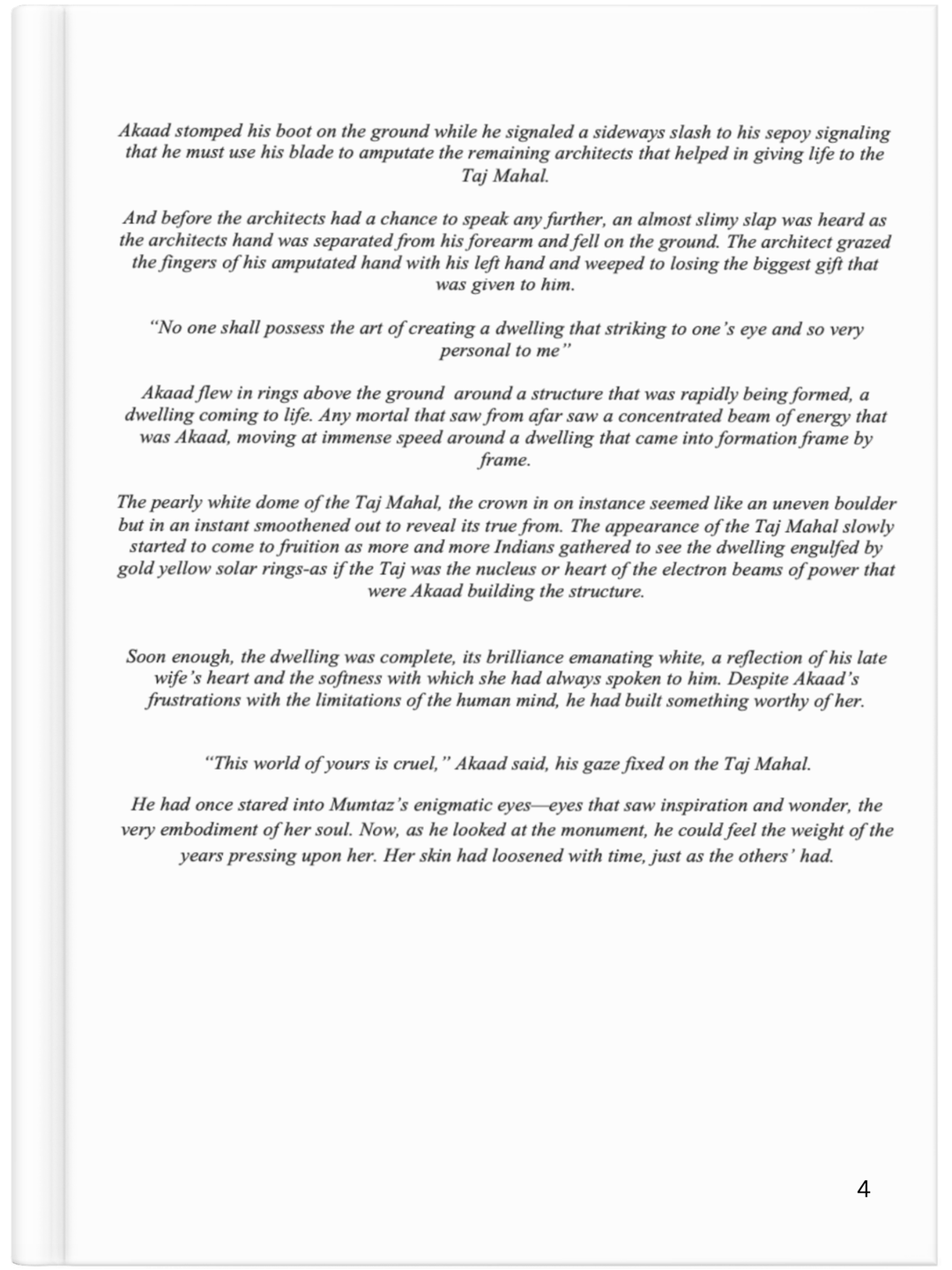
A speculative meditation on grief and remembrance, exploring loss, remorse, and the impulse to answer mortal love with something built to outlast everyone.
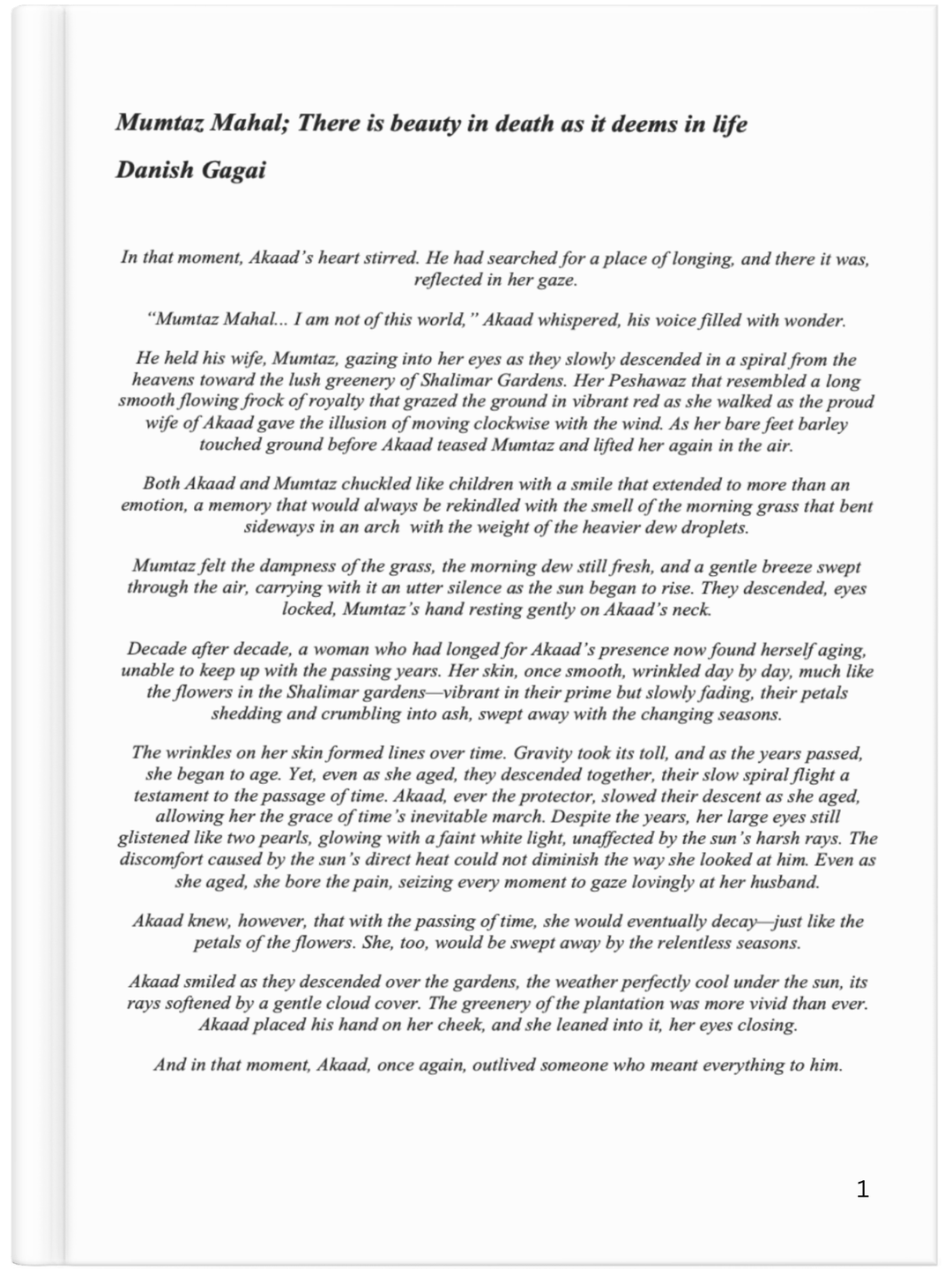
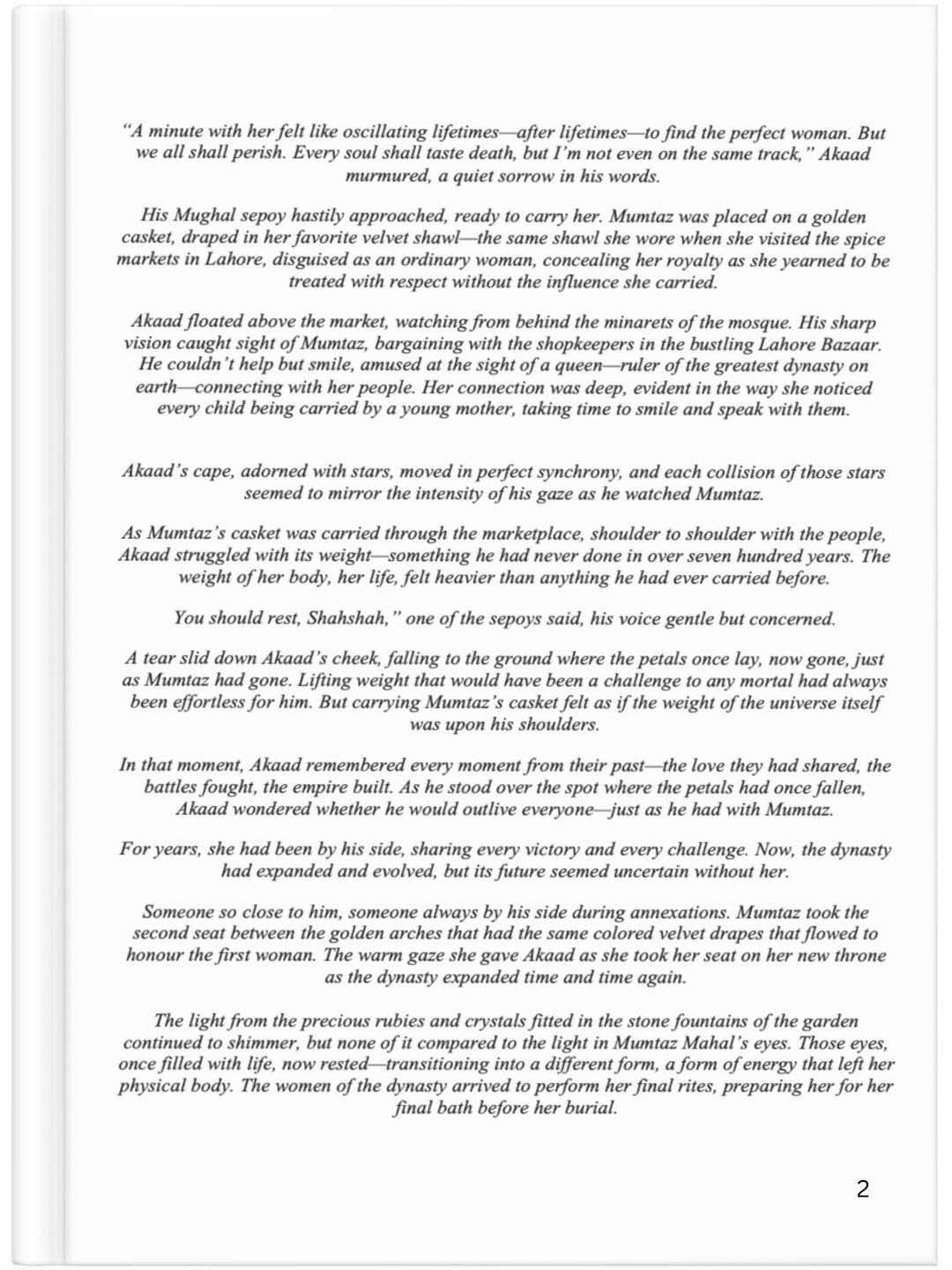
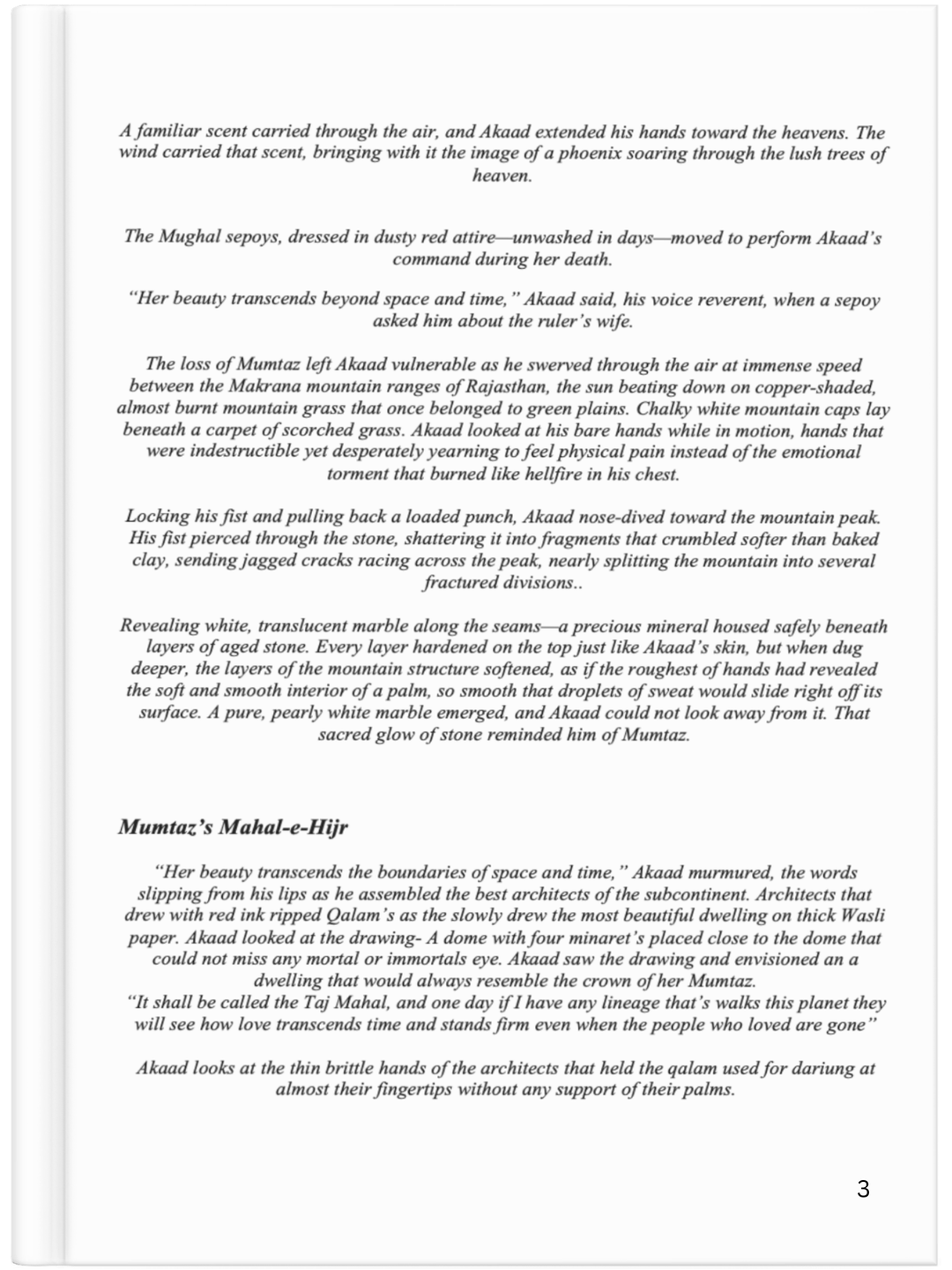
Read the pages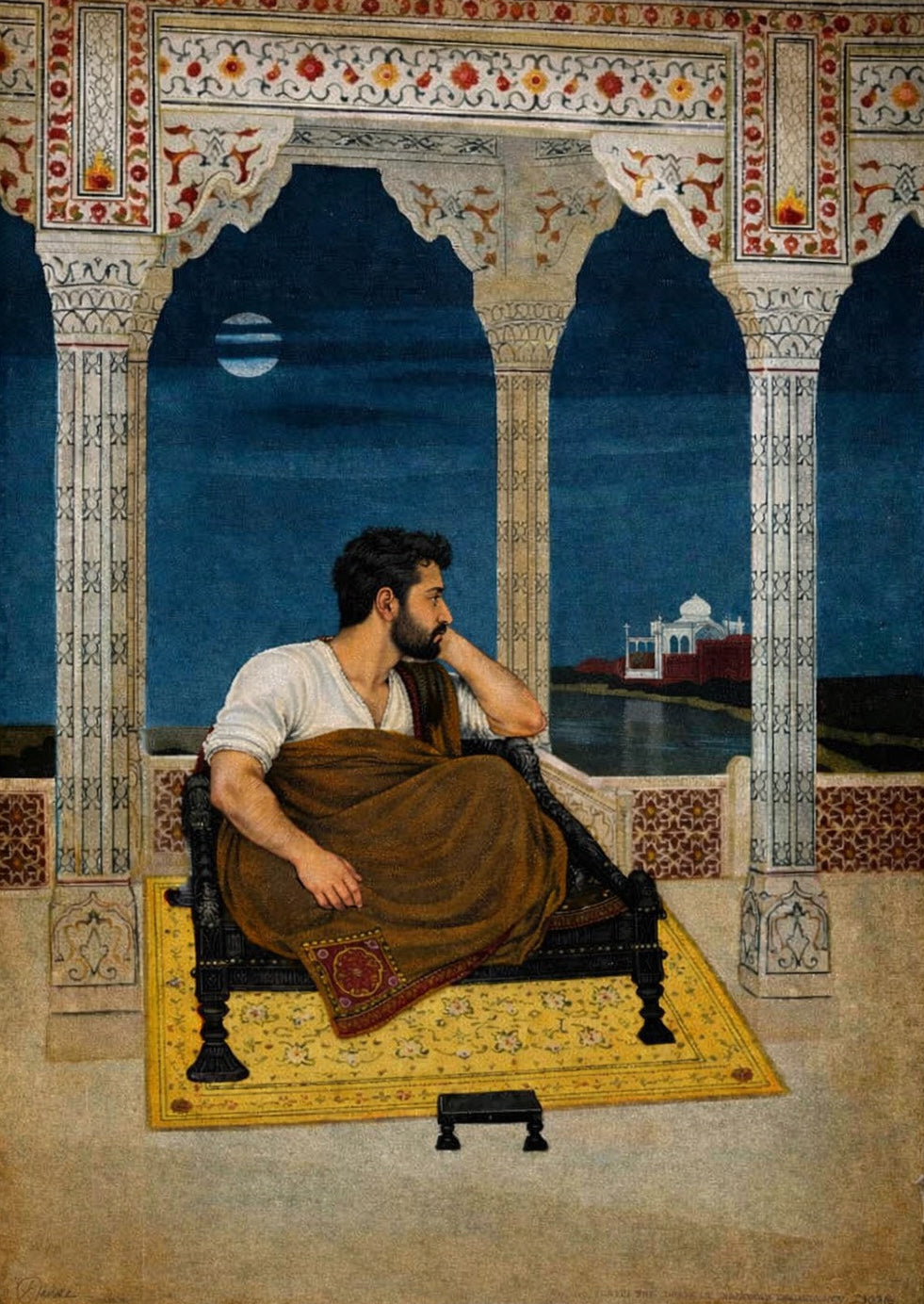
Turn through the pages.
Read the piece exactly as it appears in print.
Danish Gagai
My name is Danish Gagai, and I write the kind of stories you will one day read to your children before they sleep—and the kind they may one day pass on to their own.
Before there were screens, there were stories.
Stories carried through generations—held in the minds of mothers, whispered to children before they were even born. Stories passed down, shaping wonder, shaping imagination.
I write the kind of stories I hope your children grow up with—whether through books or through that magical place we call cinema.
If you’re here, you’re early.
And if you feel you’re late, like I once did in life, then remember this:
“For what it’s worth, it’s never too late—or in my case, too early—to be whoever you want to be. There’s no time limit. Start whenever you want. You can change, or stay the same. There are no rules to this thing. I hope you live a life you’re proud of, and if you find that you’re not, I hope you have the strength to start all over again.”
— F. Scott Fitzgerald, via The Curious Case of Benjamin Button
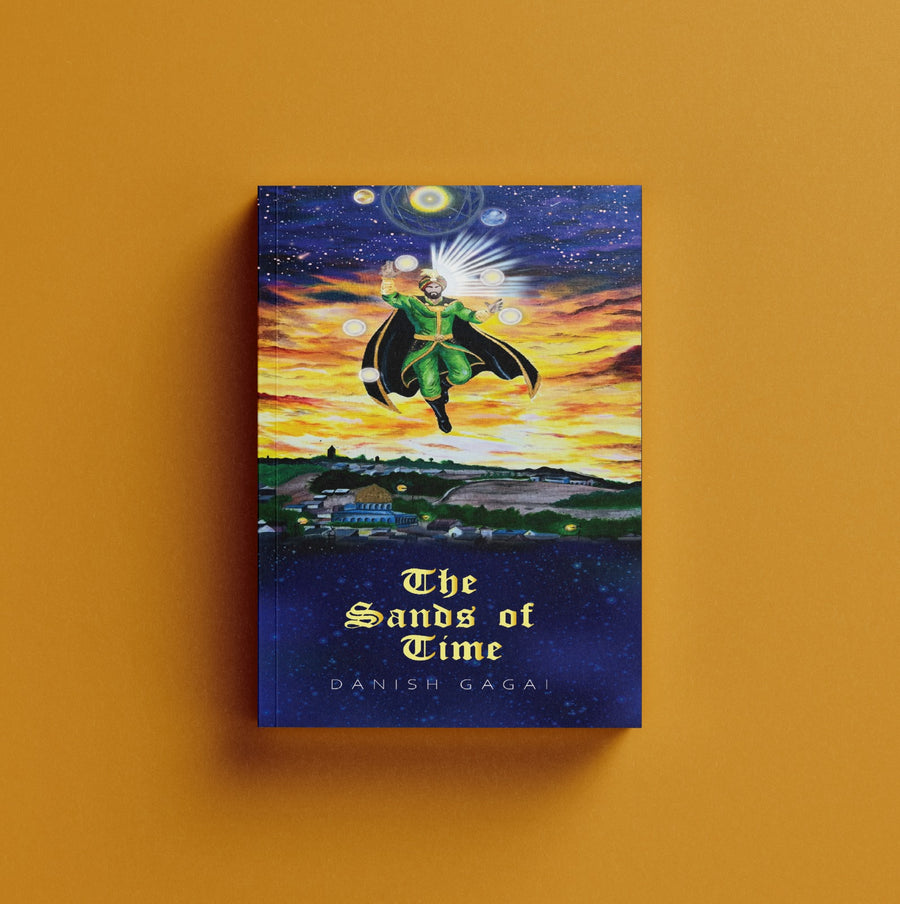
Sands of Time
The Proximan Empire was an advanced alien race that closely resembled humans. A mutation across their world granted many of its inhabitants extraordinary abilities, such as skin tougher than steel, flight faster than the speed of sound, heat vision capable of melting the strongest metals, and ice-cold breath that co...
View the book