Why we dream, and whether dreams can foretell the future

Author
Zain Mankani
Architect and certified career counselor passionate about Jungian psychology, dream interpretation, and symbolism; author of Dream Themes and A Critique of The God Delusion.
The book

Dream Themes
Why do we dream? Do our dreams mean anything? And if they do, how are we to understand what they are telling us?
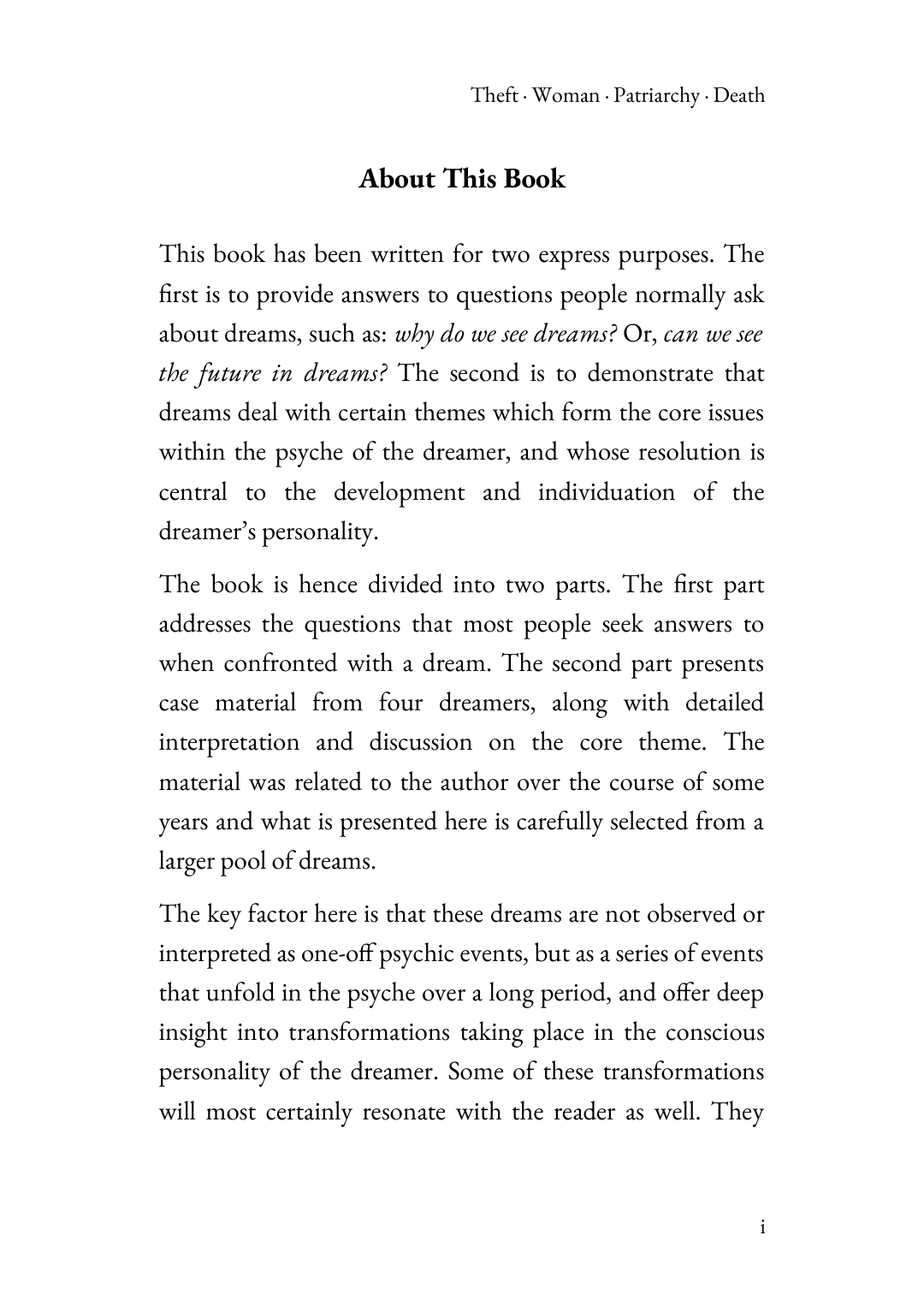
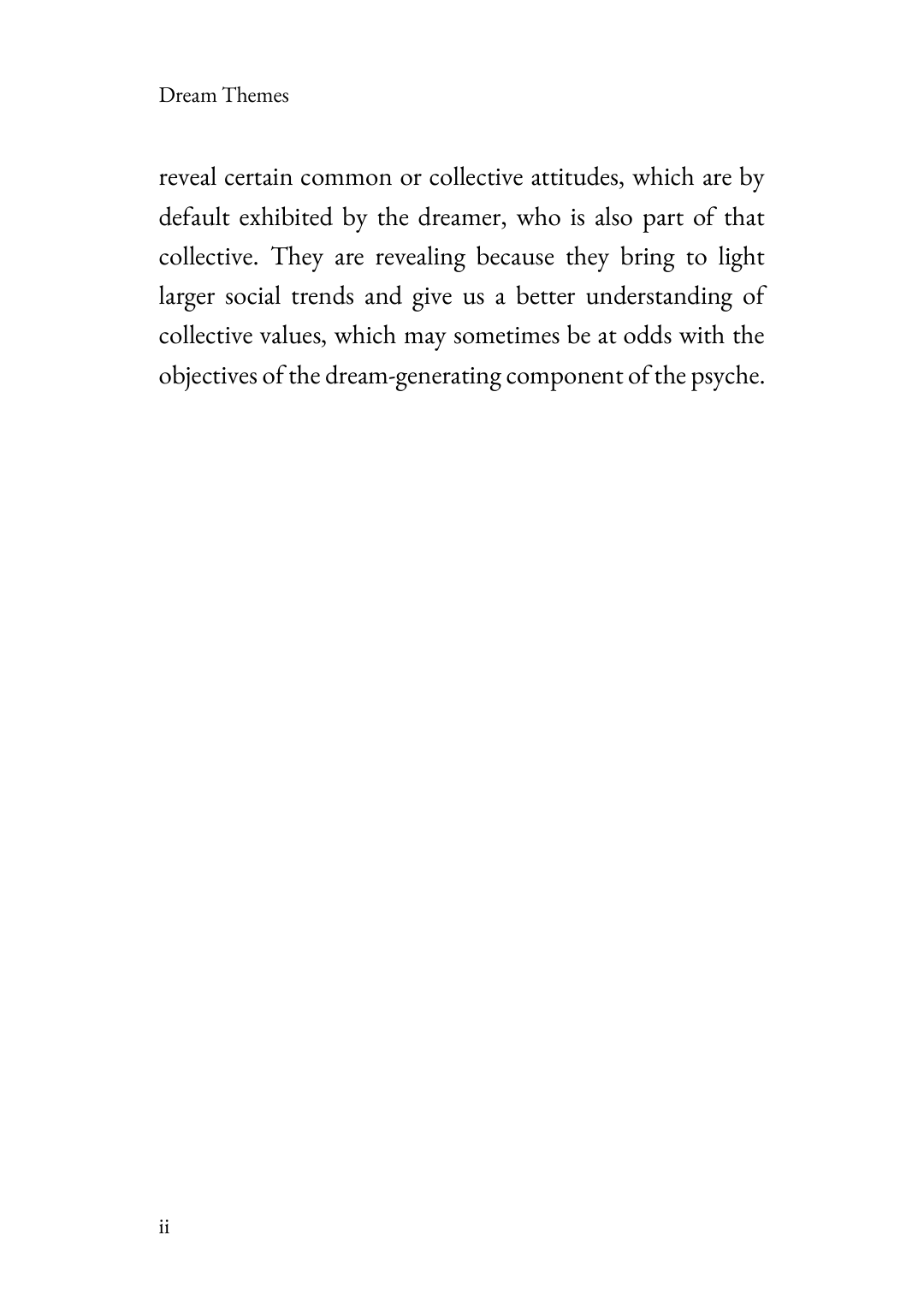
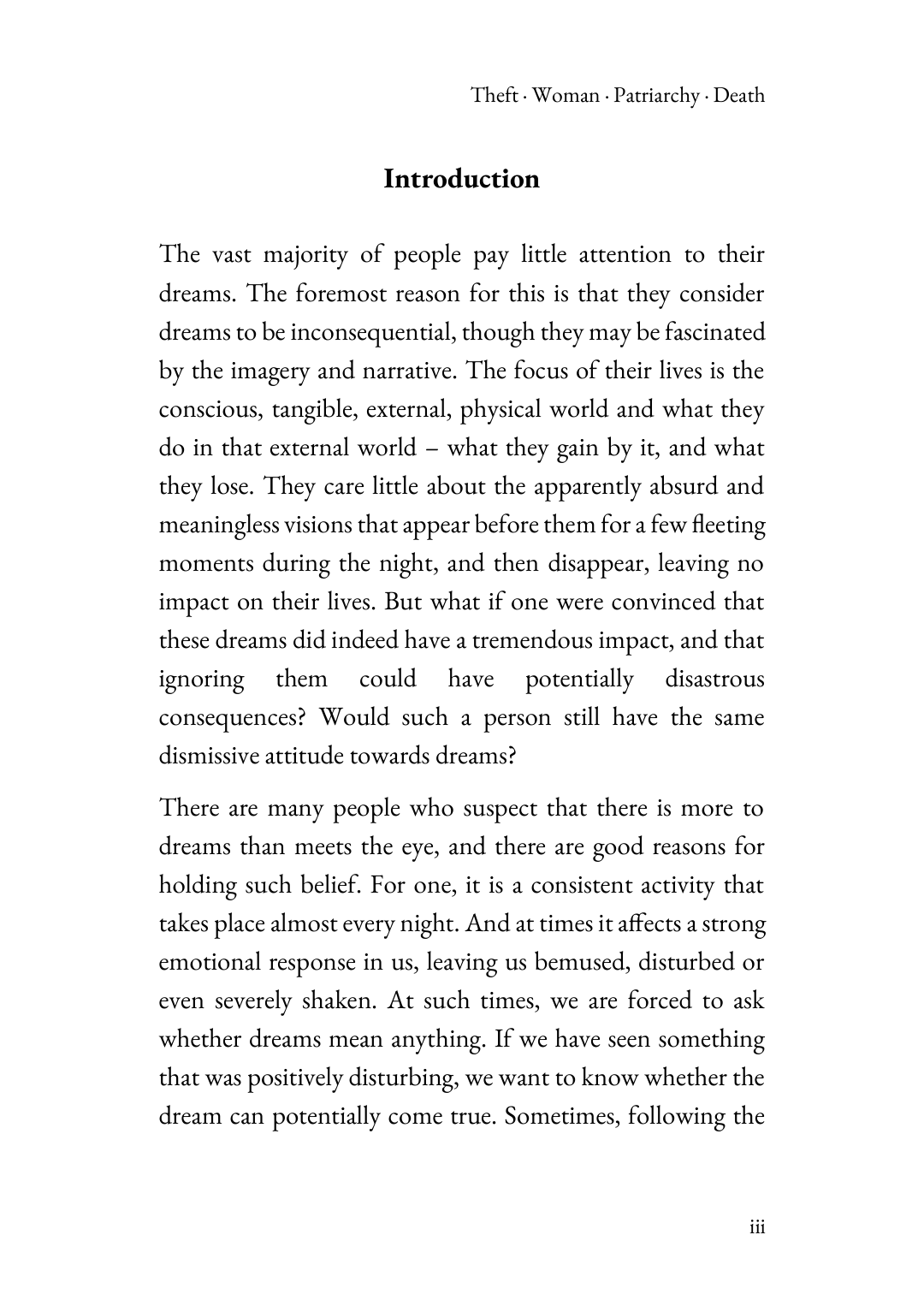
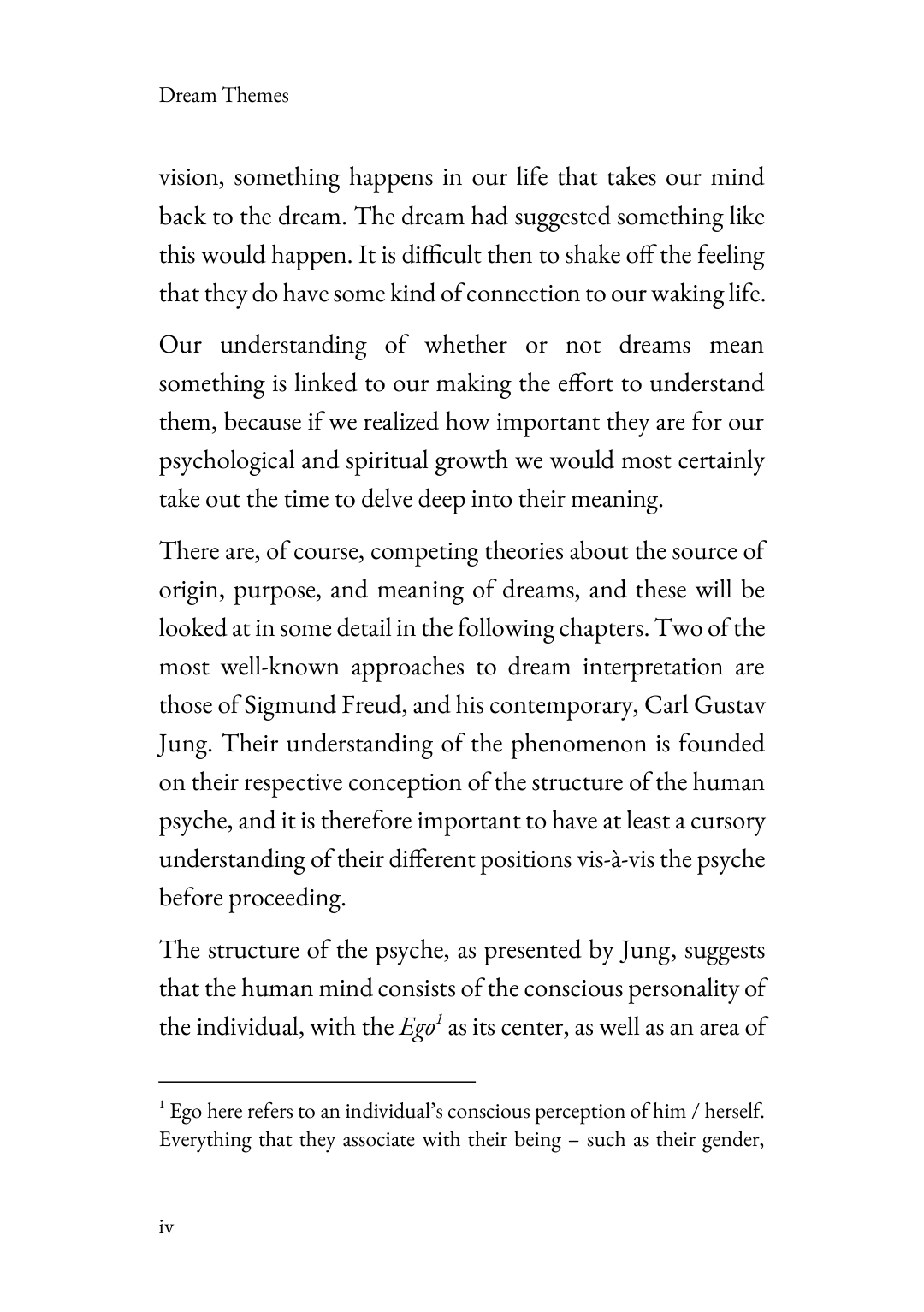
This book explores some of the fundamental questions surrounding dreaming. It examines why we dream, what dreams might mean, and the principles and processes involved in interpreting them—including the knowledge required for meaningful interpretation and the etiquettes that should guide the interpreter.
But this is not merely a book about the theory of dreams. Through four case studies, the author demonstrates the process of dream interpretation in practice. He presents series of dreams from four individuals of diverse backgrounds, interpreting each dream individually while tracing the patterns that emerge across the sequence.
Ultimately, the book offers a deeper understanding of dreams as more than private psychological experiences. They can reveal the hidden psychological substrate of the dreamer while also expressing the collective ideas and modes of thinking that shape the society in which we live.

Look Inside
A few pages from the book, so you can see how it reads before you buy.
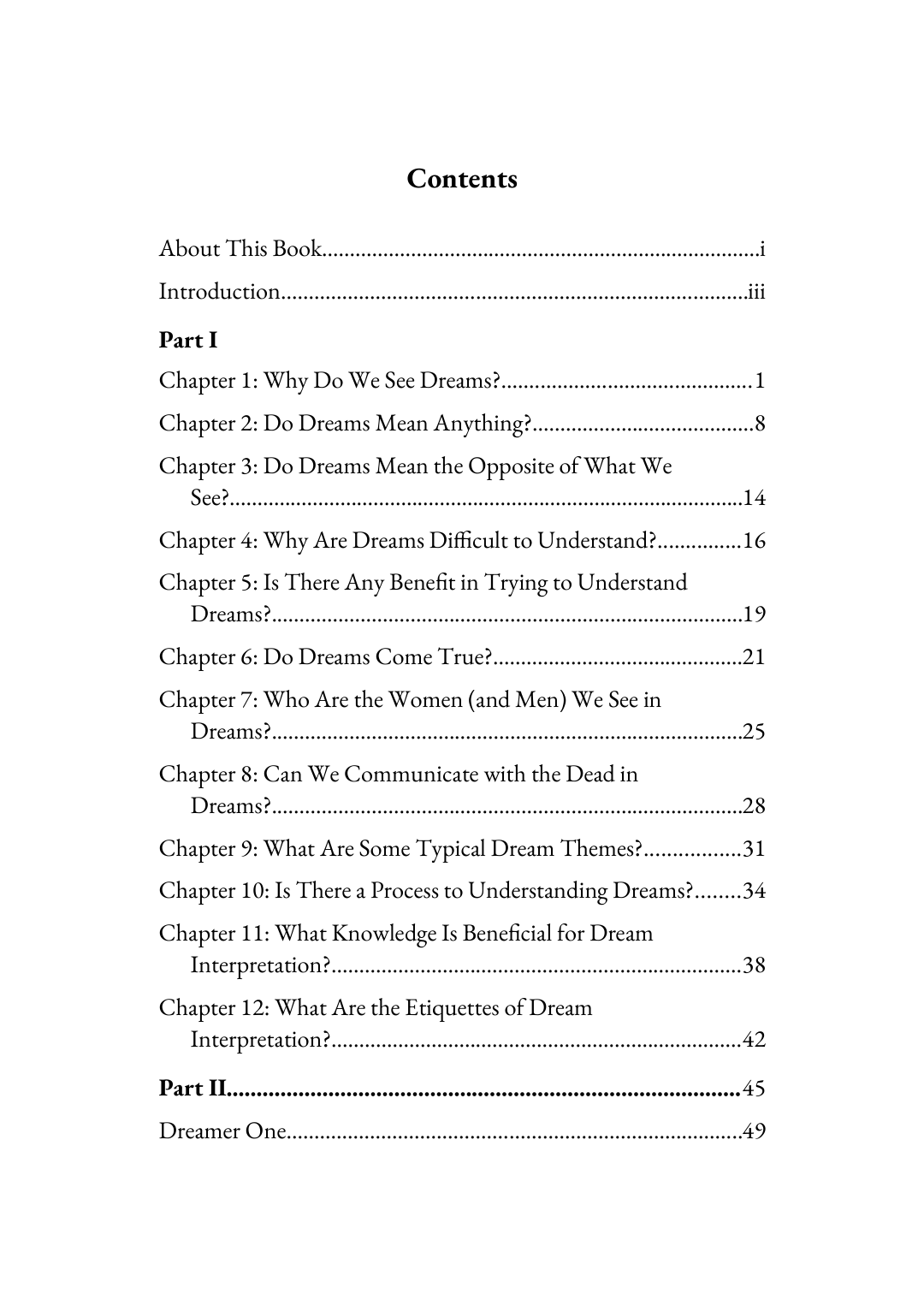
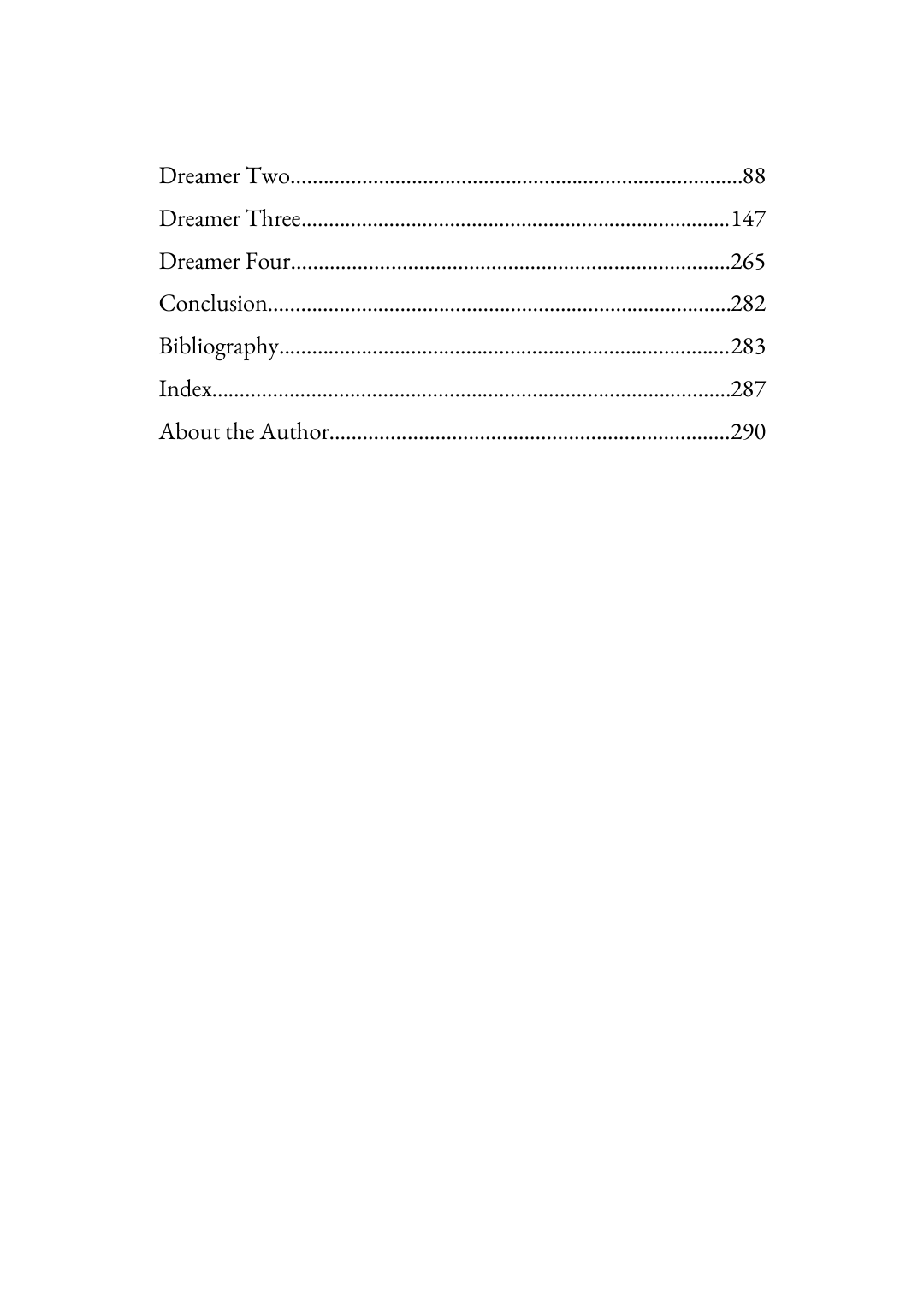
1 / 11
Swipe, tap or use your arrow keys
What this book is about.
Jung and Freud read beside the Muslim interpreters Ibn Sireen and Al-Qafsi
Who the women and men in our dreams really are
The knowledge and the etiquettes a dream interpreter needs
Four dream series, on theft, woman, patriarchy and death, interpreted dream by dream
About the Author
Zain Mankani is an amateur dream interpreter who has spent more than two decades exploring the nature and meaning of dreams. He has written extensively on the subject through articles and essays, examining dreams from psychological, philosophical, and cultural perspectives.
In this book, he draws upon the influential theories of Carl Jung and Sigmund Freud, alongside the rich tradition of Muslim dream interpretation represented by scholars such as Ibn-e-Sireen and Al-Qafsi. He uses these diverse perspectives to explore some of the fundamental questions surrounding dreams and dreaming, and to offer thematic interpretations of the dreams of four individuals.
Excerpts
Dreams do have a purpose. We see dreams for a reason. Although there are different categories of dreams, according to Jung, the main function of dreams is to balance a one-sided approach in our conscious attitude by presenting a compensatory perspective. The compensatory view shows us what we may be doing incorrectly in our waking life so that we can review our attitude and restore balance to our lives.
The psyche also works much like a weather balloon, collecting information from the environment that is imperceptible to the senses, and based on this information it intuits a possible outcome which is then relayed to consciousness in the form of a dream.
Dreams do not provide us with a step-by-step guide on how to rectify the problem and correct our course. Rather, they allow us to see the problem from the perspective of an objective and critical observer. This objective perspective is often all that is required to make an honest assessment, and also to determine our future course of action, if indeed we are interested in shedding like dead skin the provisional personalities we have adopted in the course of social adaptation, and becoming more authentic, and more complete versions of our selves.
More From The Author

A Critique of The God Delusion
Dawkins' The God Delusion has been described as a "hard-hitting rebuttal" of religion. Its persuasive rhetoric tends to captivate younger readers, who may lack the critical skills to fully assess the evidence presented. Even more seasoned readers, aware of the fragility of Dawkins' arguments, often struggle to articulate exactly why they are weak and delusory.
This book meticulously examines Dawkins' claims, revealing the tenuous foundations upon which they rest. Every argument from the original work is carefully scrutinized and exposed as, at best, a mixture of misinformation and misrepresentation, or at worst, irrational, self-contradictory, and self-defeating.
This book is a great lesson in critical thinking and will empower young readers to confidently question, analyze and critique similar rhetoric wherever they encounter it.

Discover more authors published with us.

Salman Ahmad Bhutta
View authorPhysicist and writer blending science, creativity, and outreach, author of “Some Unstitched Words,” a reflective collection of philosophical and scientific thoughts.

Sarah Ahmad
View authorA poet, yogi and dreamer shaped by two cities — Karachi, where she was raised, and Istanbul, where she continues to grow.

Sarmad Nazir Ahmad
View authorSarmad Nazir Ahmad is an O-Level student at Aitchison College, Lahore, with a passion for writing and storytelling.
Could your book be next?
Every author here began by sending us their manuscript. Register as an author and take your first step.
Register as an author